
Malaga
“art, light, and history”
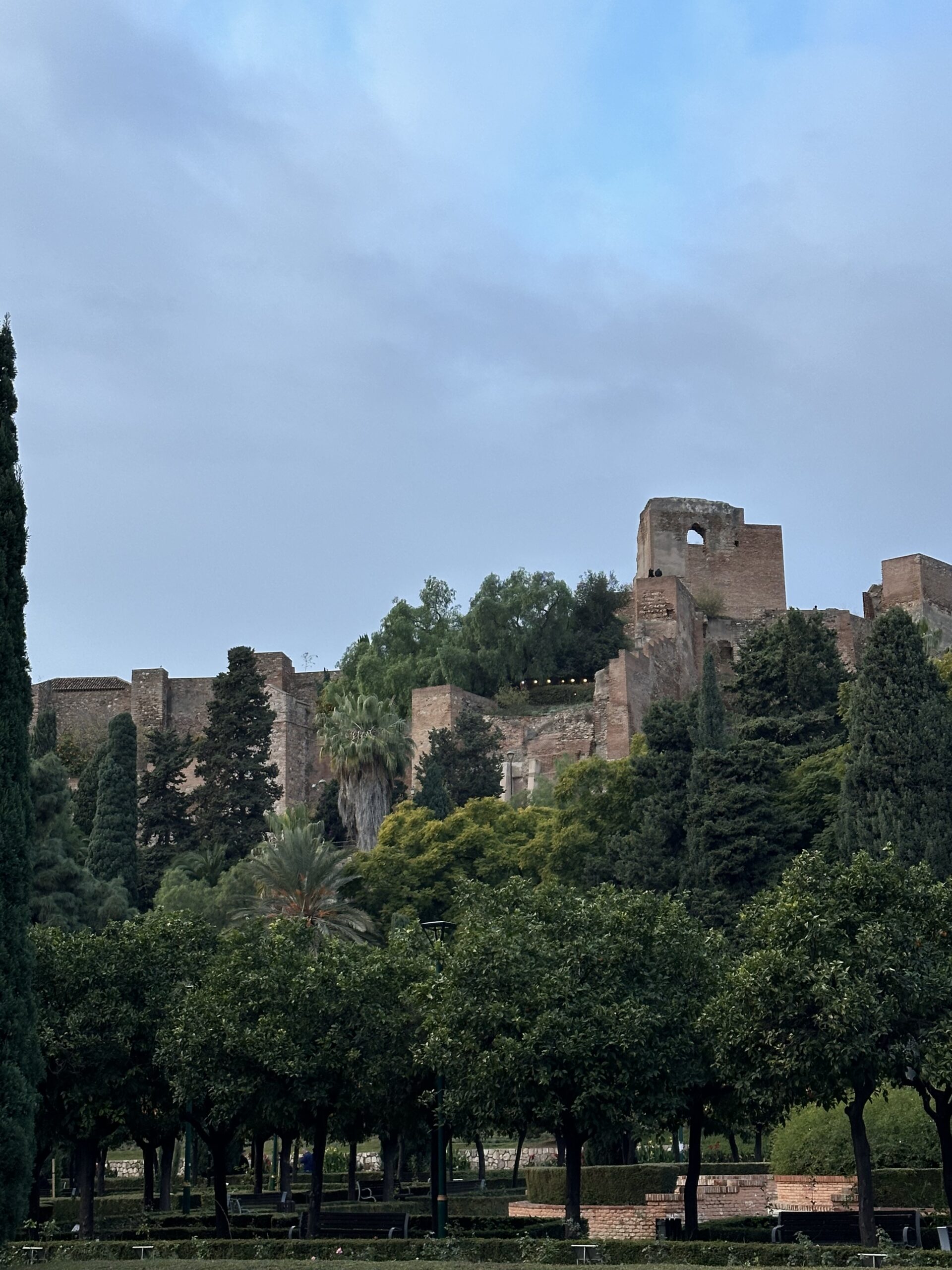
Founded around 770 BC by the Phoenicians, Málaga has been shaped by successive civilizations, including the Romans, Byzantines, Visigoths, Muslims, and Christians, each leaving a lasting mark on the city.


Long ago
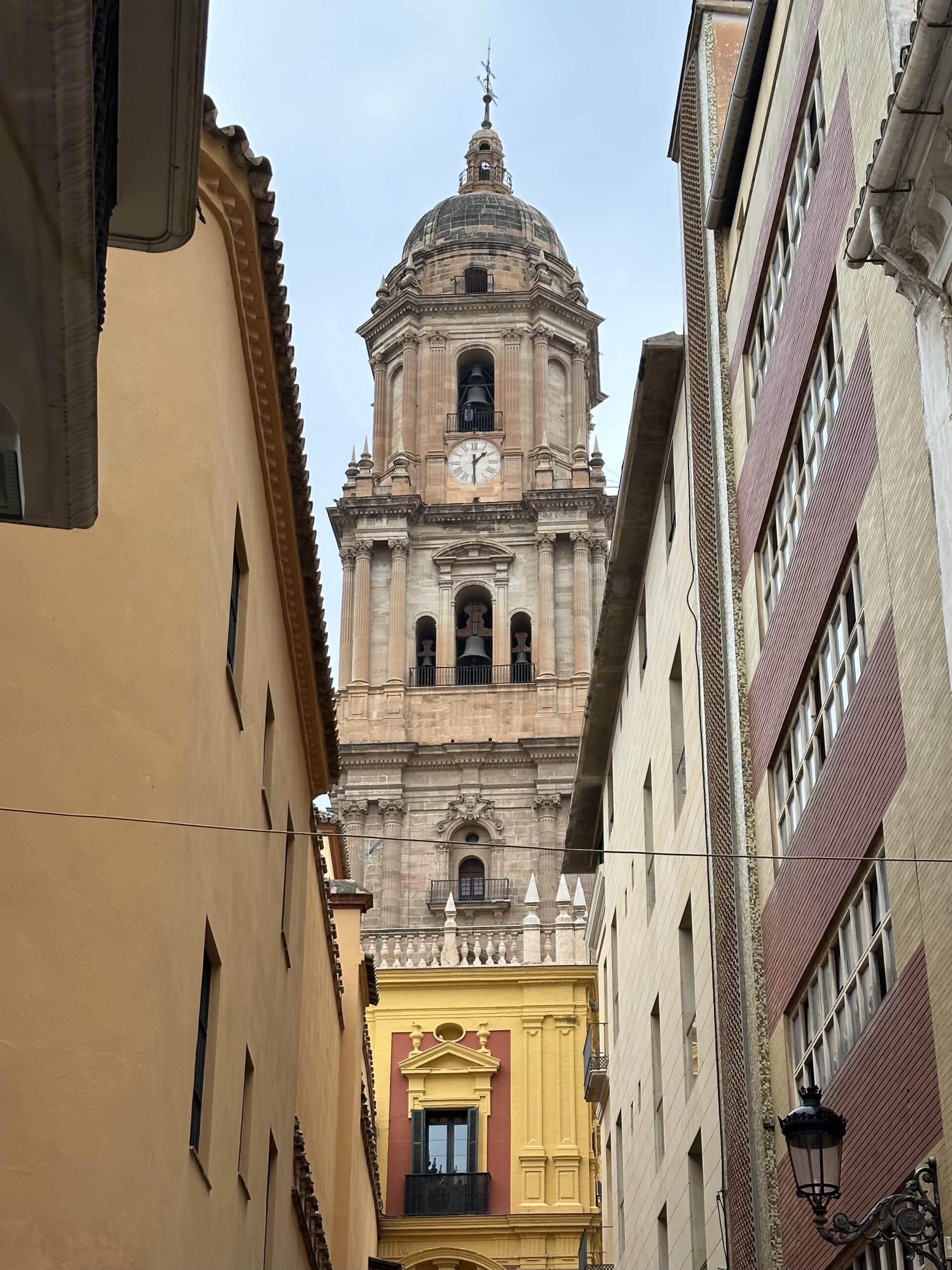
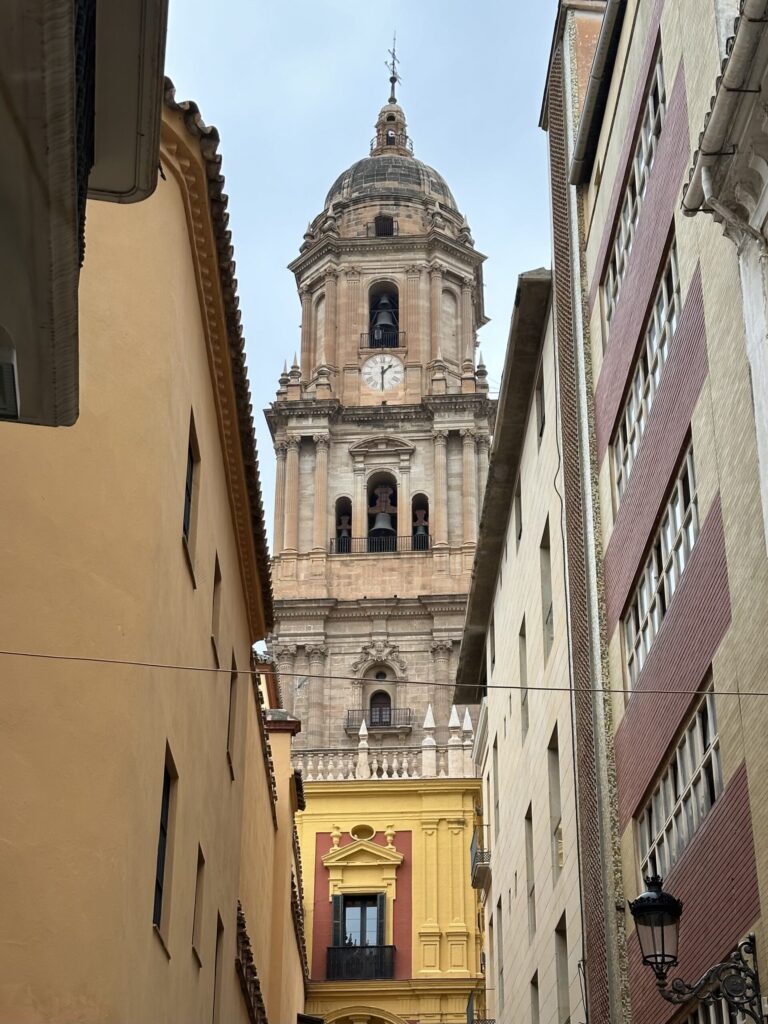
Built on the site of an old mosque, the Cathedral of Malaga is famous for its unfinished second tower and known locally as “La Manquita.”
Cathedral
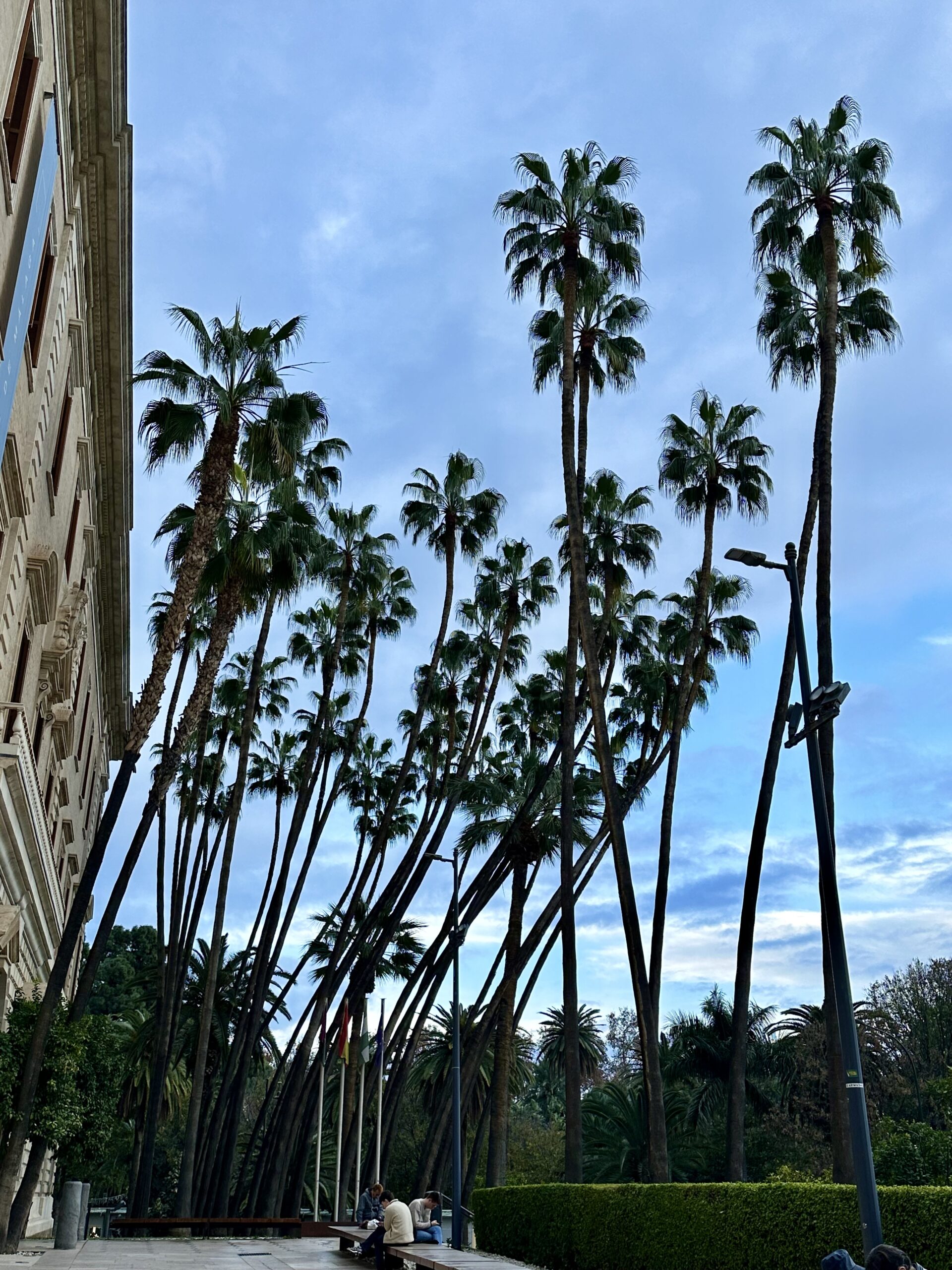
Málaga has a Mediterranean climate with mild winters (12–18 °C) and hot summers (30–35 °C).
Slide
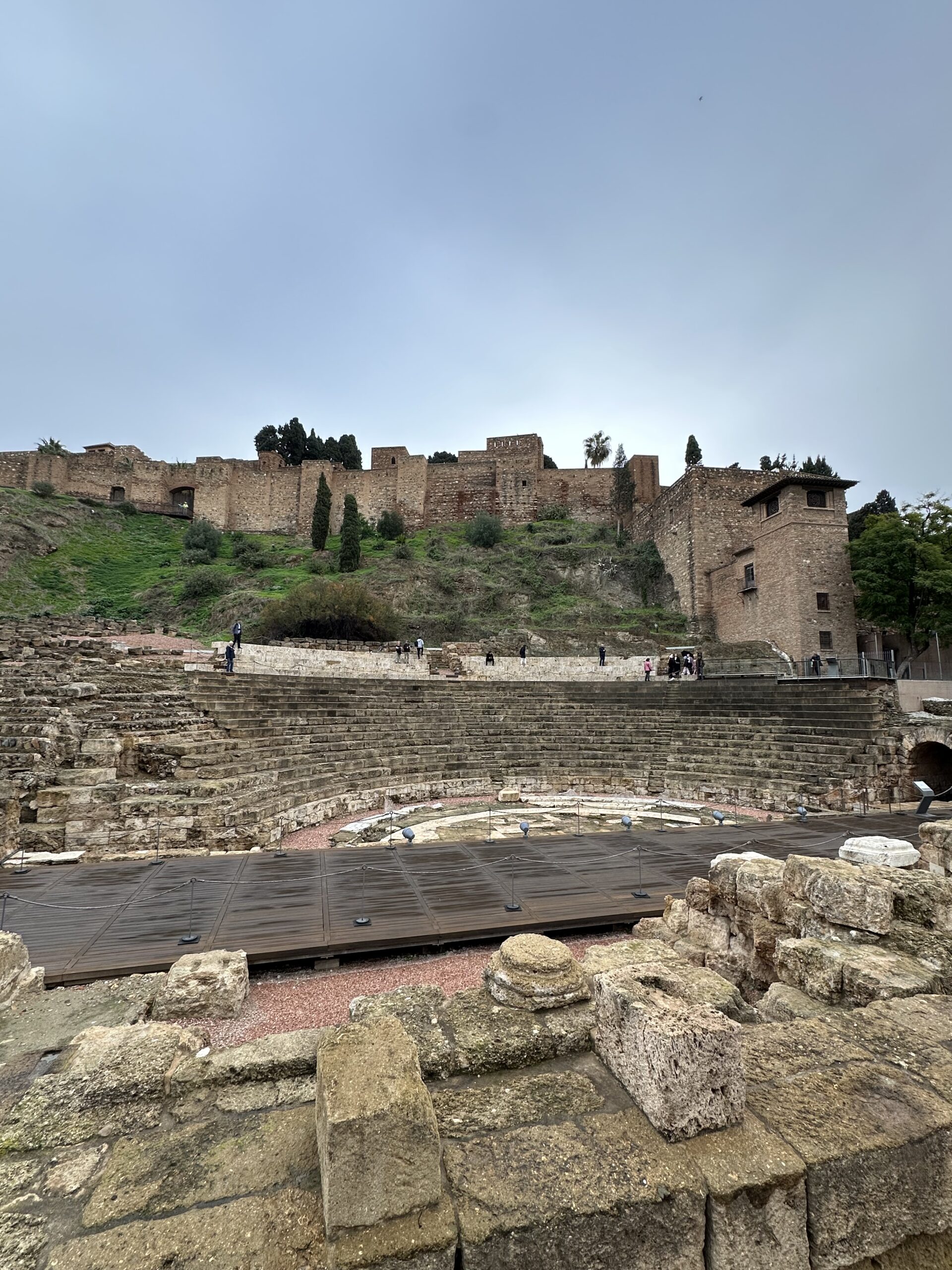
The 1st-century Roman Amphitheater of Málaga lies at the foot of the Alcazaba, a fortified palace partly built using stone and materials taken from the amphitheater itself.
Converge
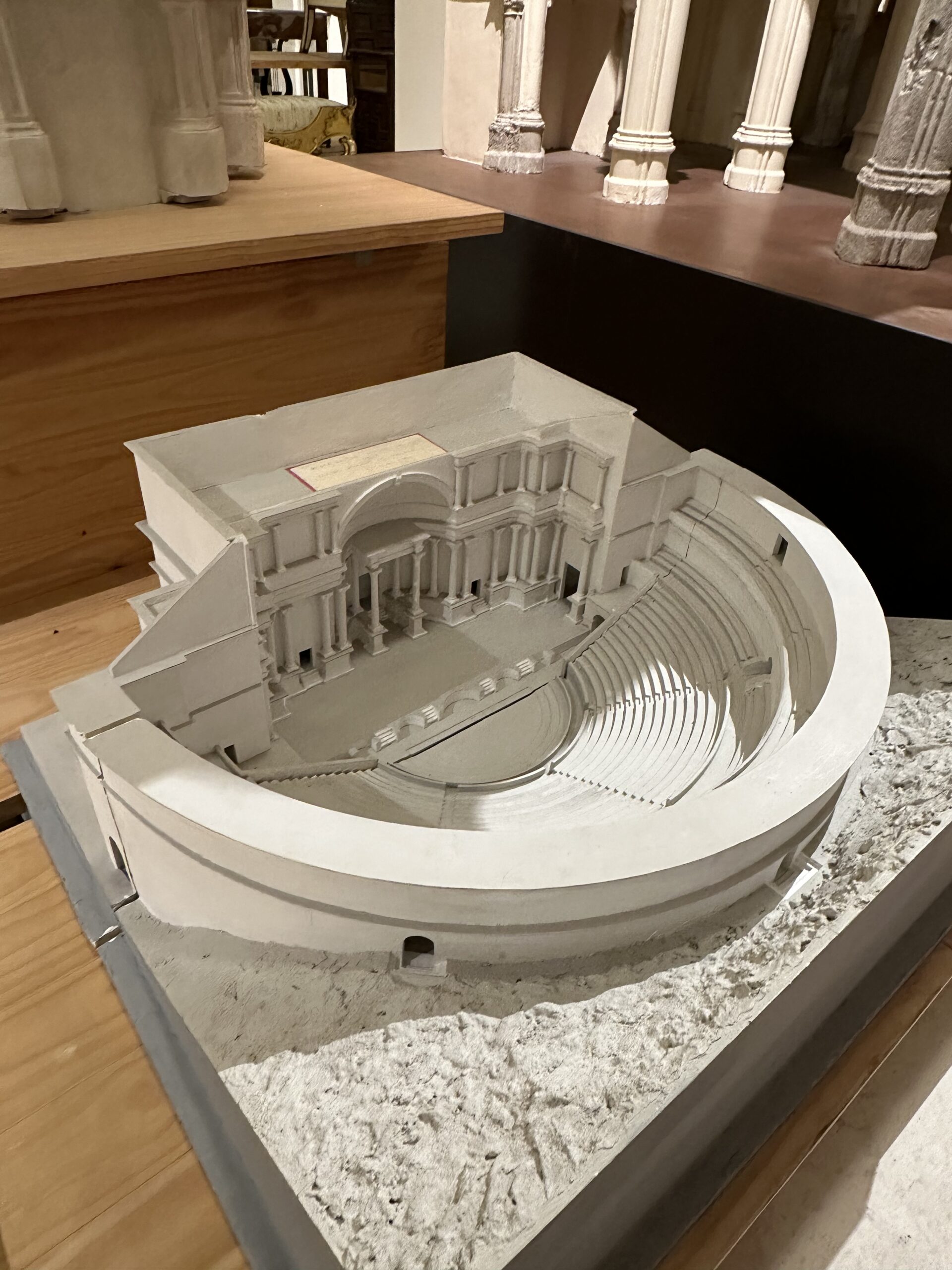
Here is a model of the Roman Amphitheater in Málaga.
Model
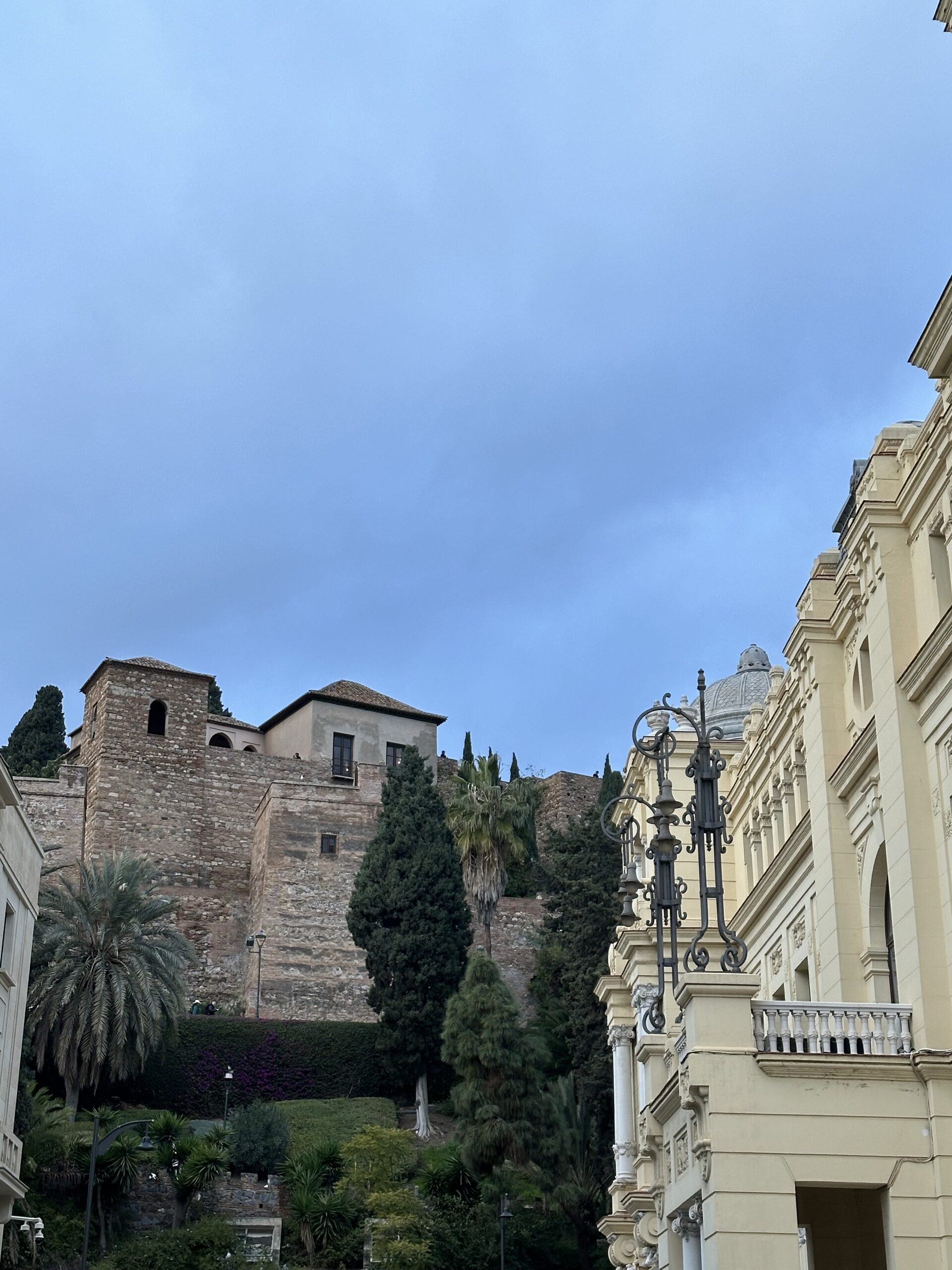
Malaga was under Muslim control for nearly eight centuries leaving a lasting architectural and cultural legacy.
Old and New
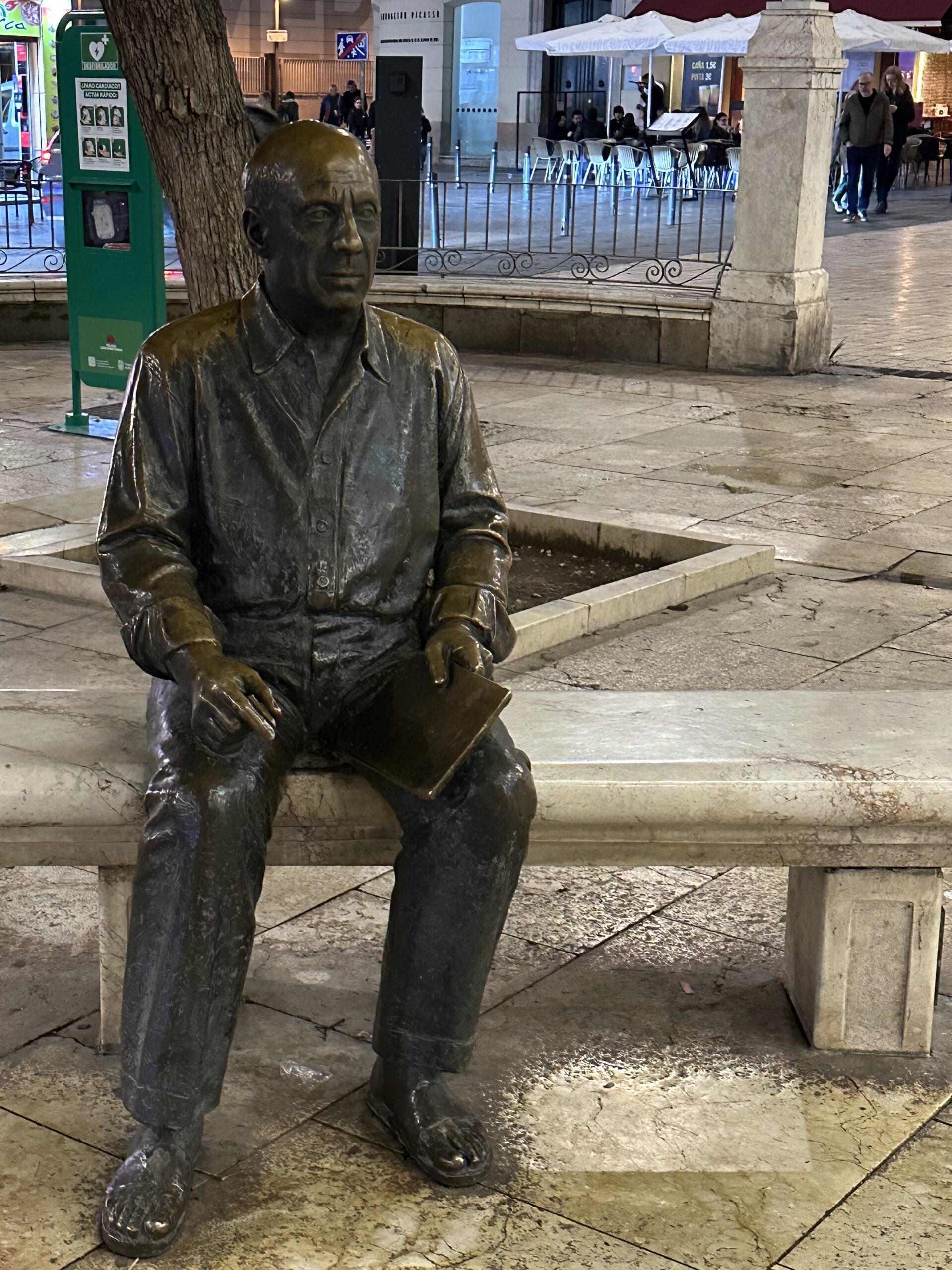
Pablo Picasso was born in Malaga in 1881 and lived here until he was 10 years old.
The Artist
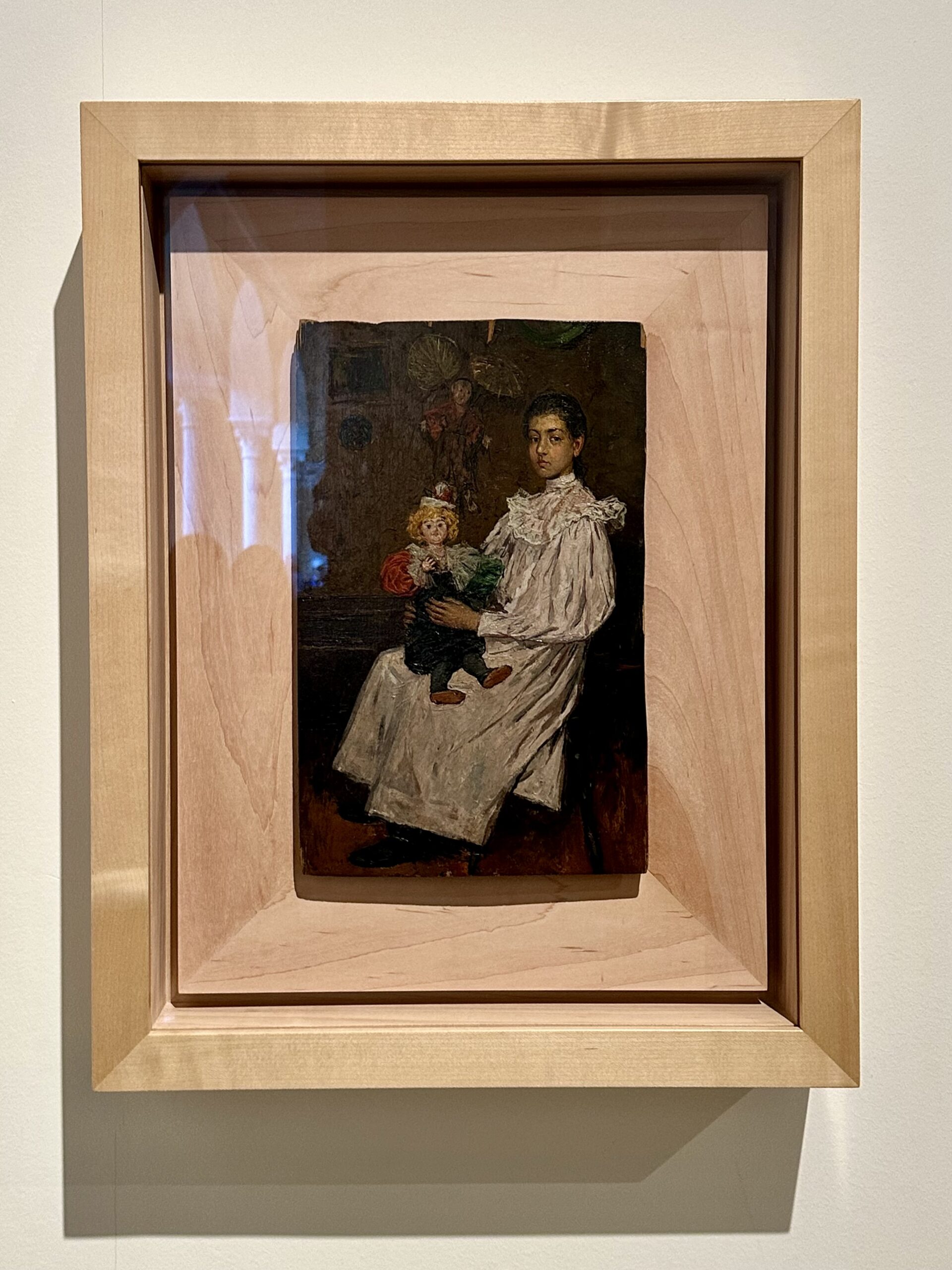
In Malaga he received his first formal art education from his father, José Ruiz Blasco, who was an art teacher and trained him in drawing and painting, before moving to Barcelona where he painted Lola with a Doll (1896).
Beginings
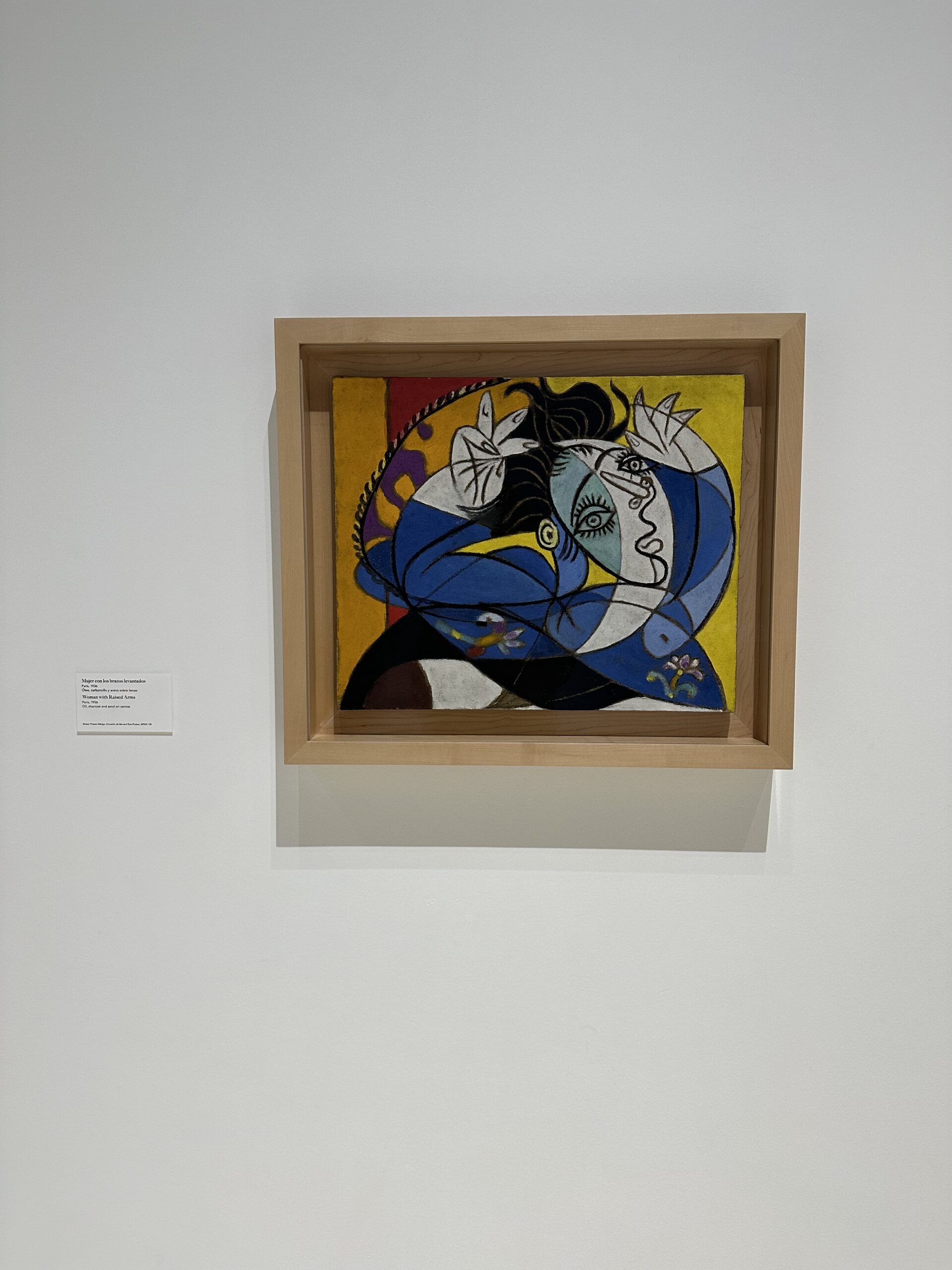
The museum features paintings from across his entire life, organized by decade. Here pictured is “Woman with Raised Arms” (1936).
Cubist
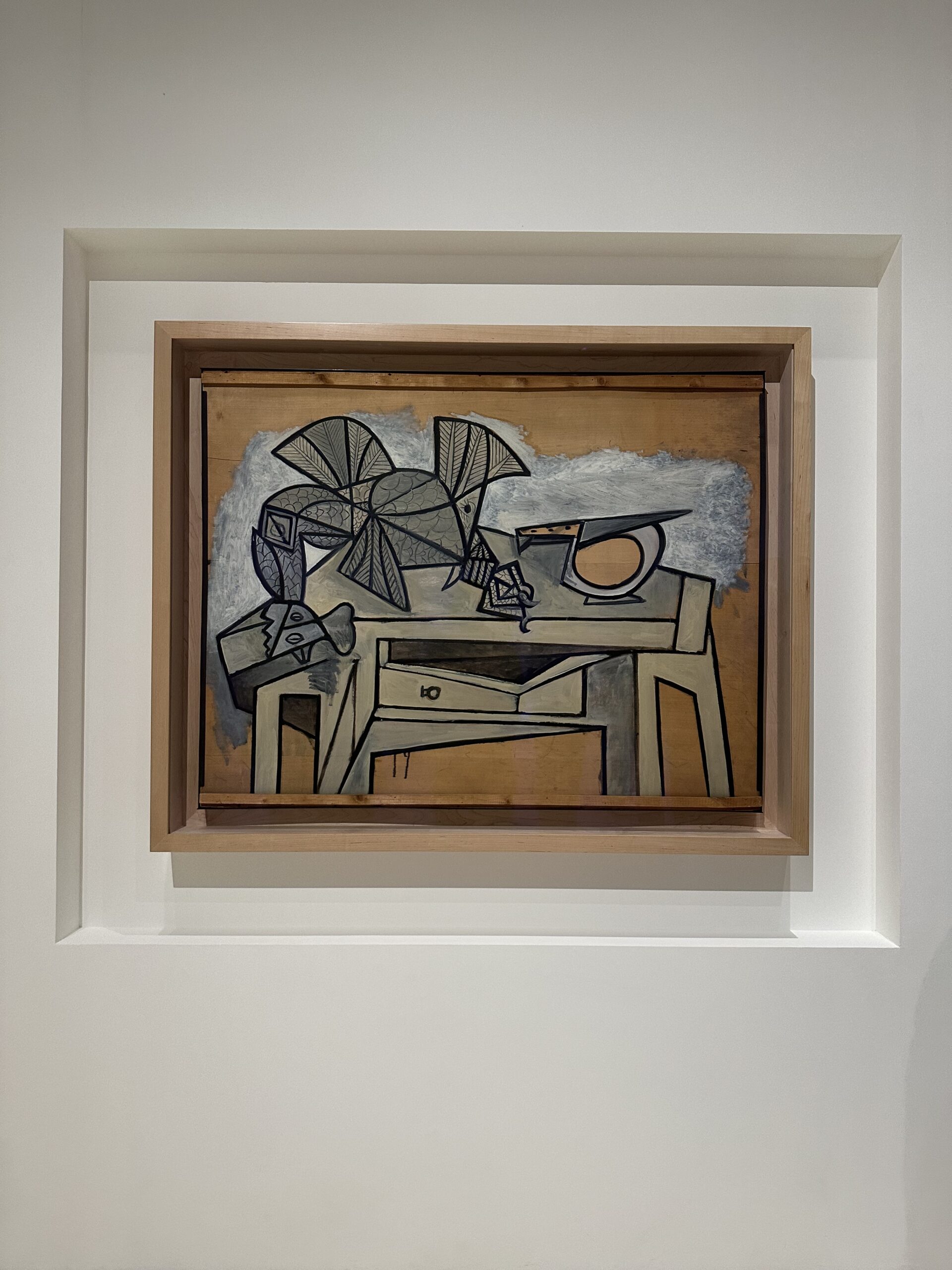
Picasso’s Rooster and Knife on a Table (1947) uses a butchered rooster, a symbol of France, to reflect the country’s suffering and turmoil after World War II.
Gallo
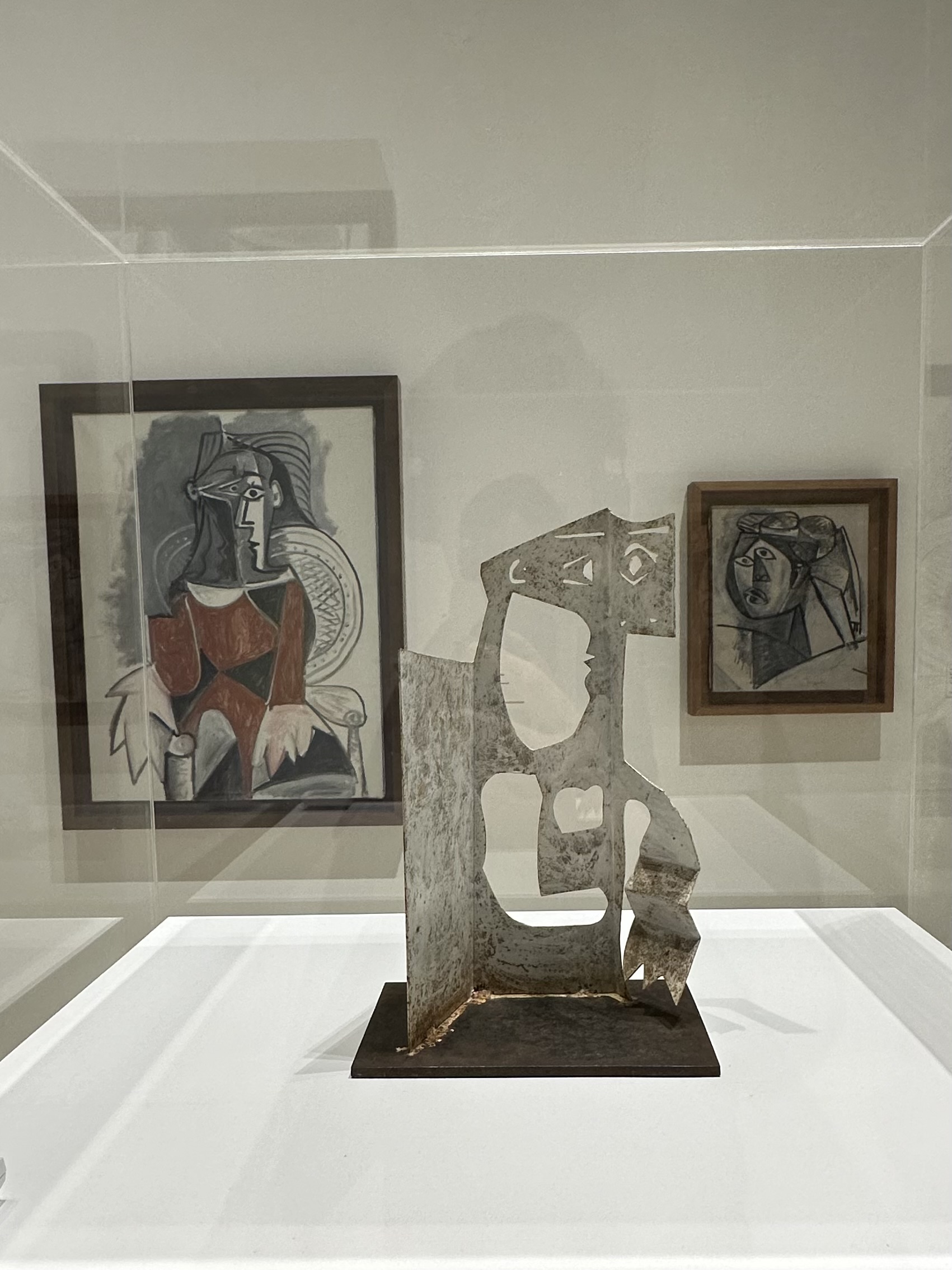
Picasso also created three-dimensional artworks in the Cubist style. Here pictured is Woman (1961).
Three
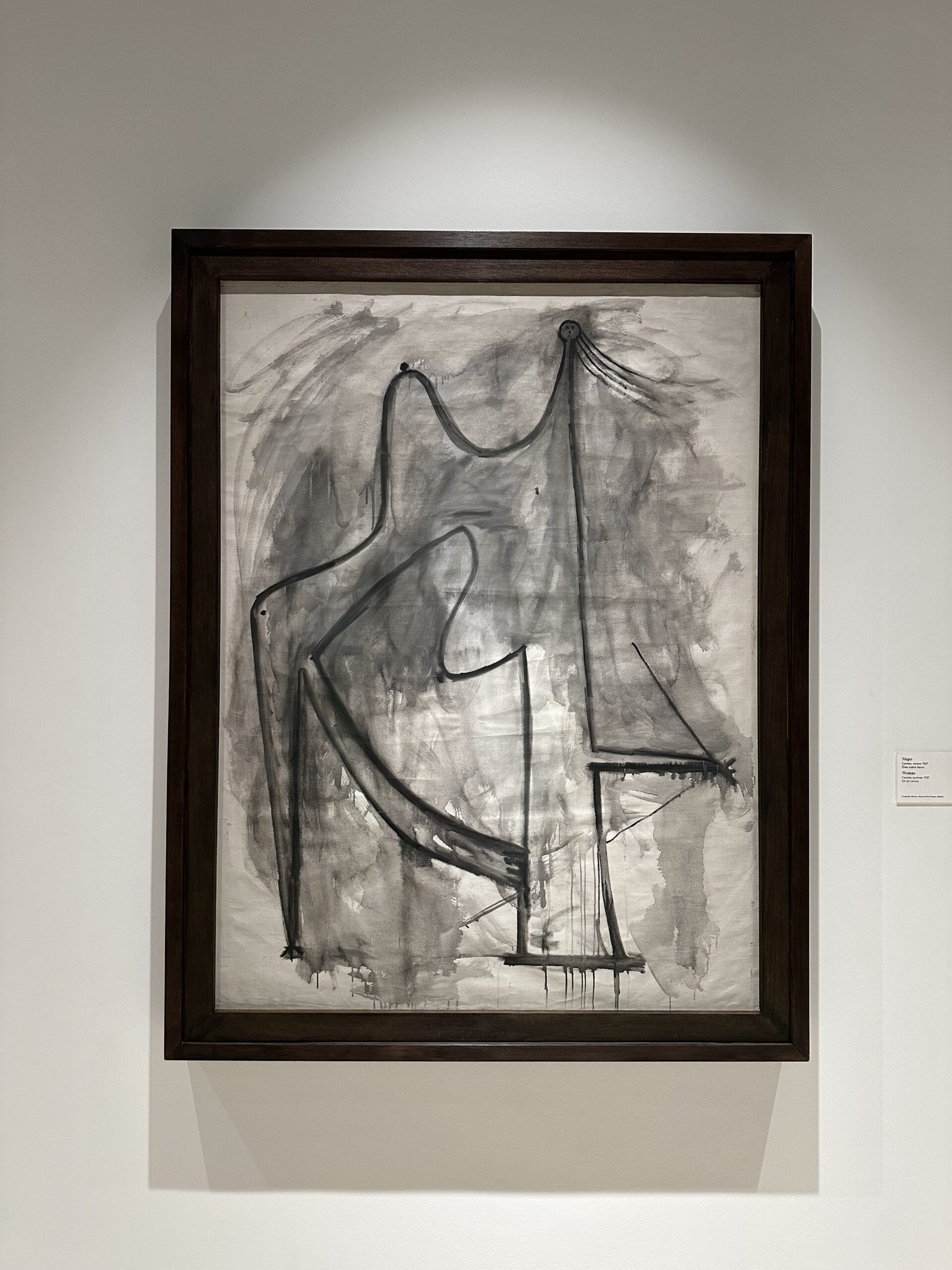
Pablo Ruiz Picasso opted to use his second surname as his artistic name to distinguish himself from his father, who was also a painter. Here pictured is Woman (1927).
Woman
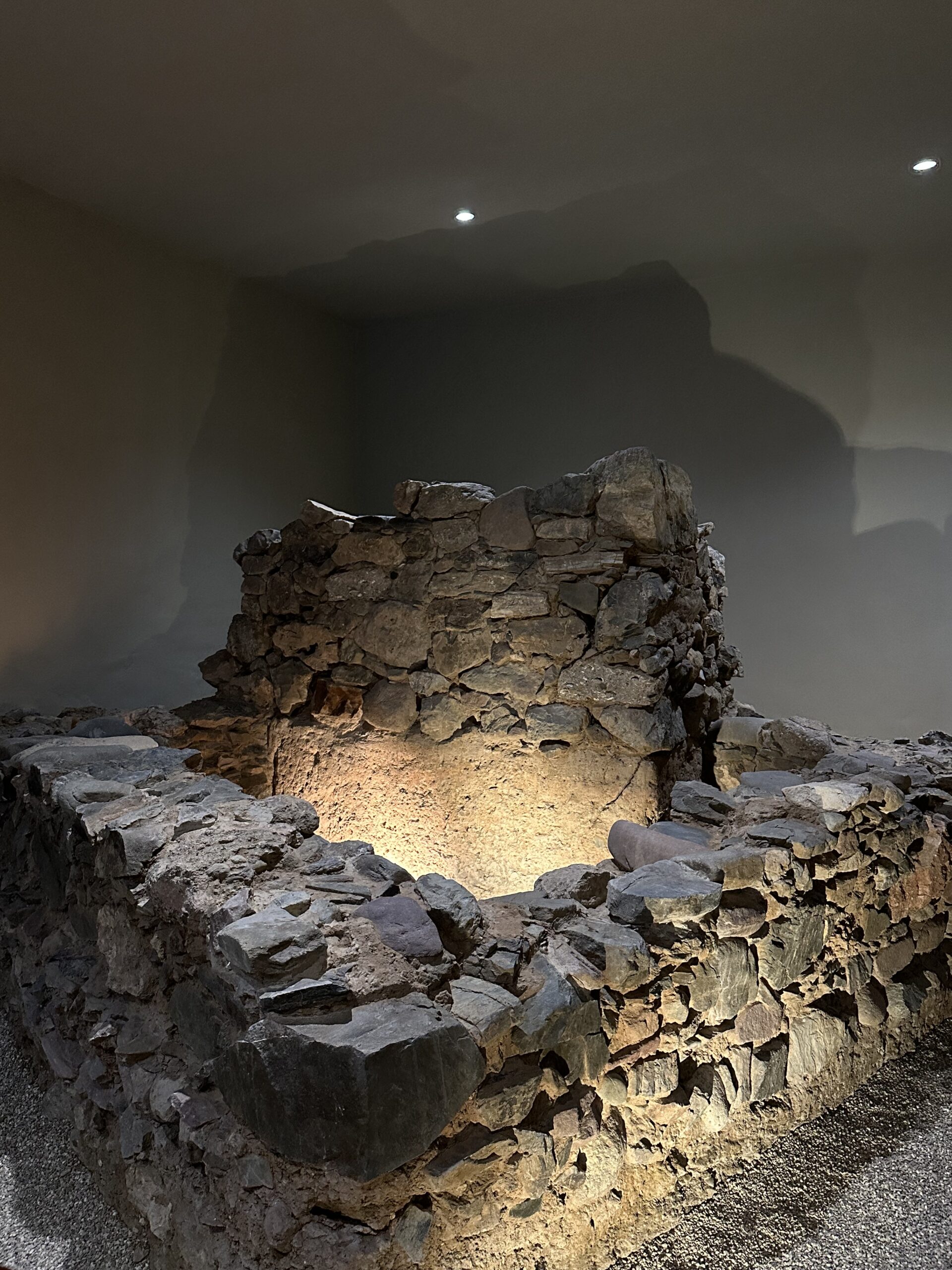
The ruins of a Phoenician house dating back to the 6th–7th century BC can be found beneath the Picasso Museum.
Ruins
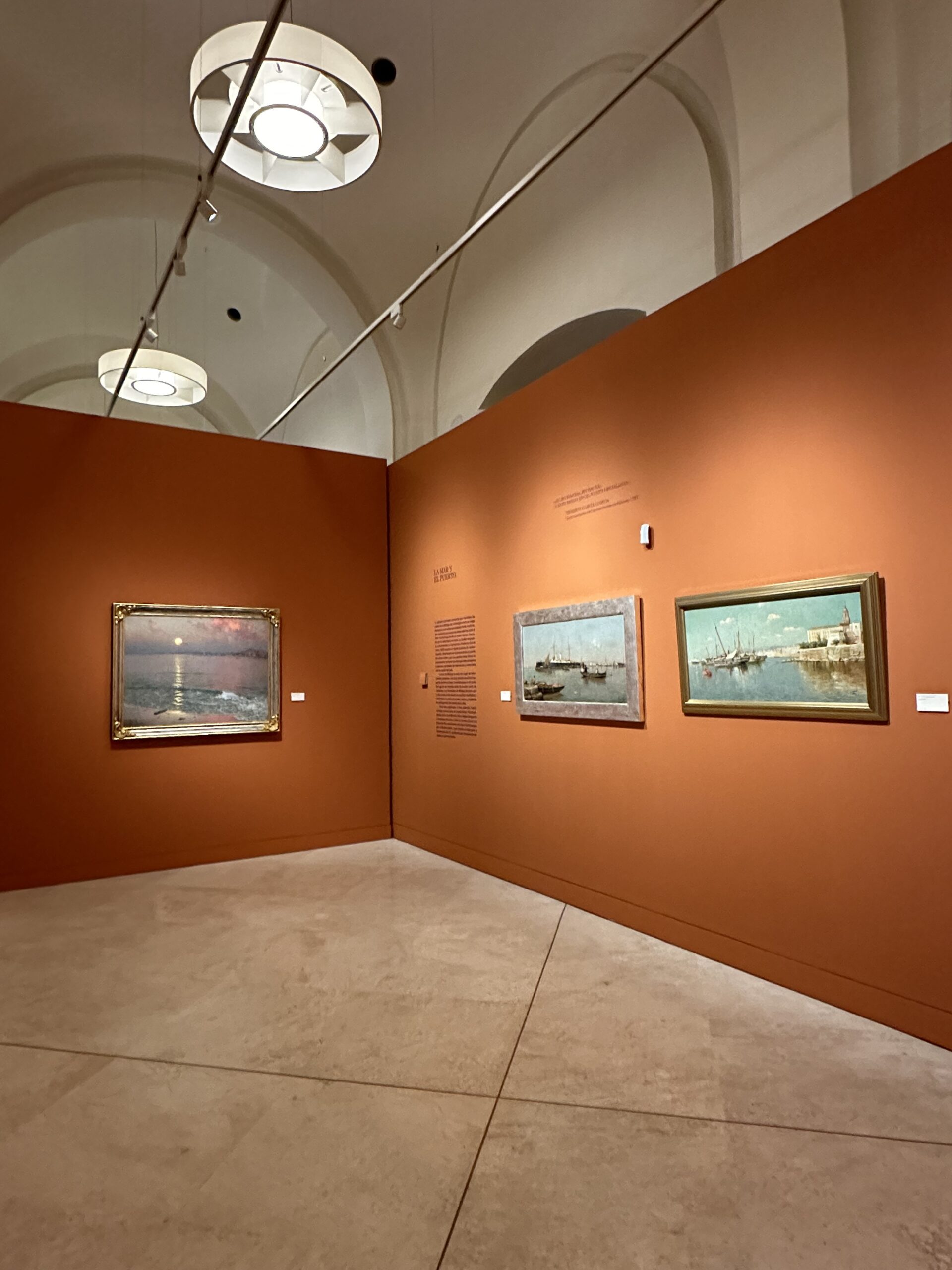
The Malaga Museum houses extensive collections of fine art and archaeology that trace the city’s history from ancient times to the modern era.
Orange
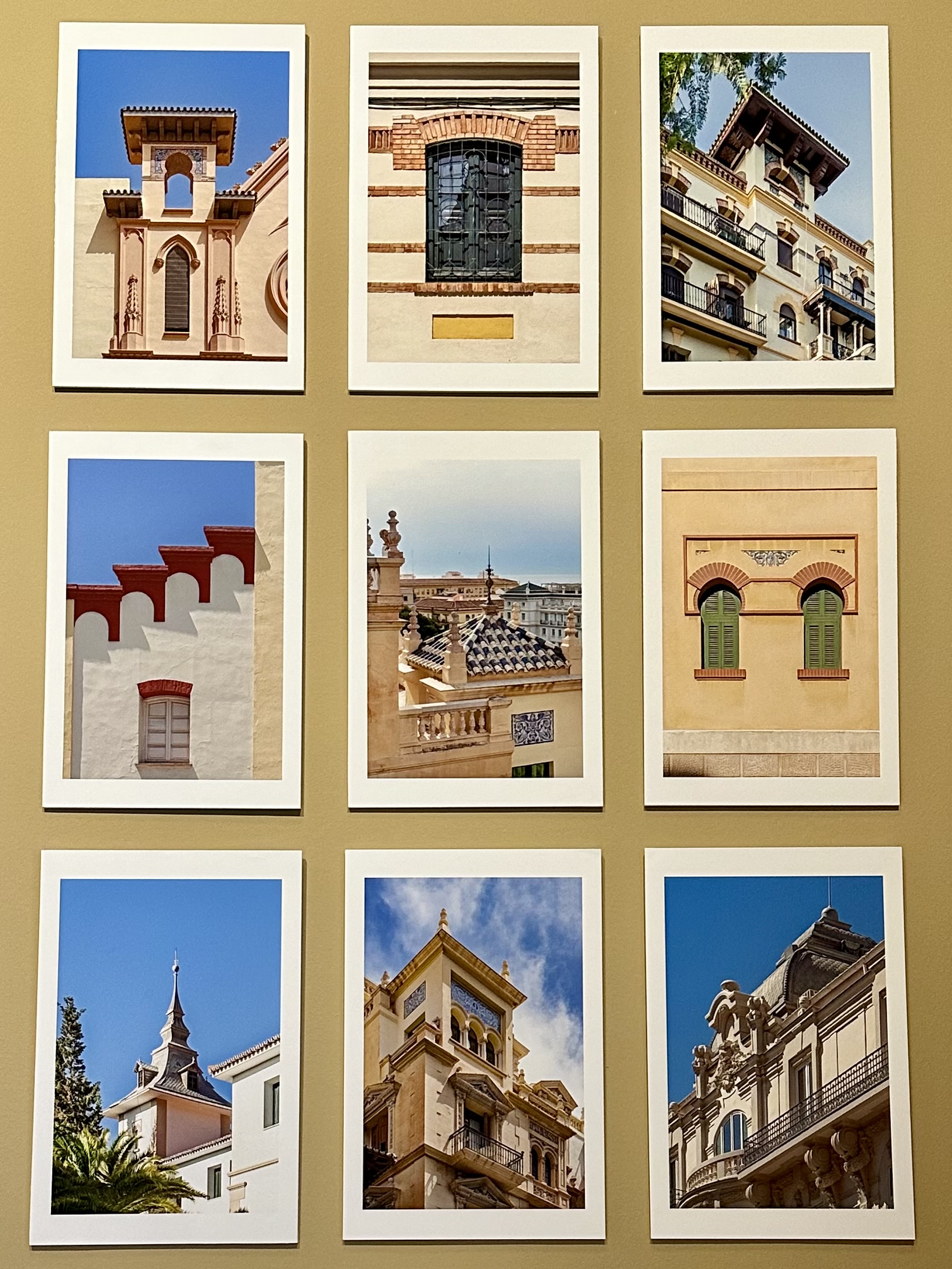
Here are several photos of the architecture of Malaga.
Photos
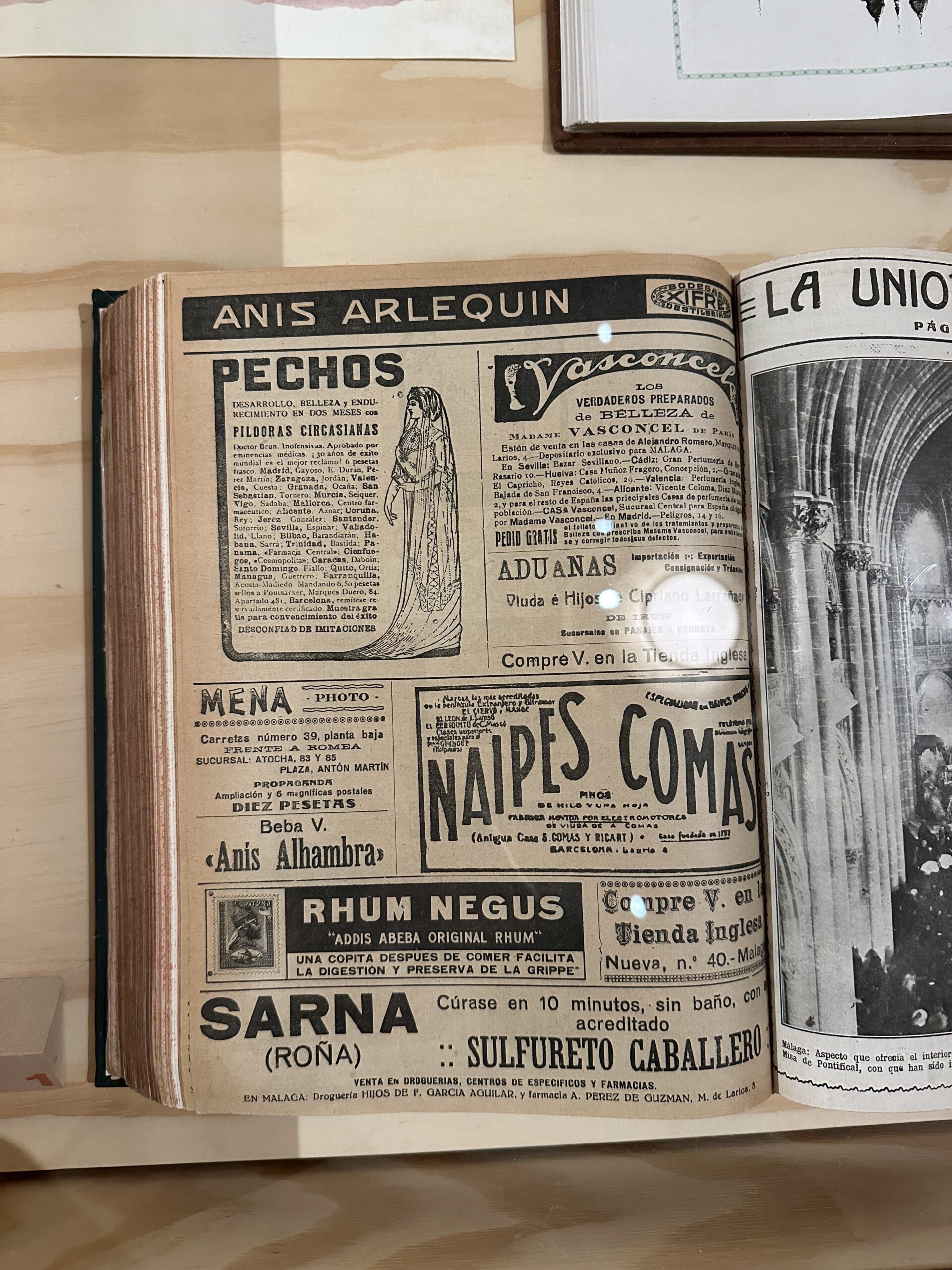
A picture of old newspaper ads showing different medical products.
Ads
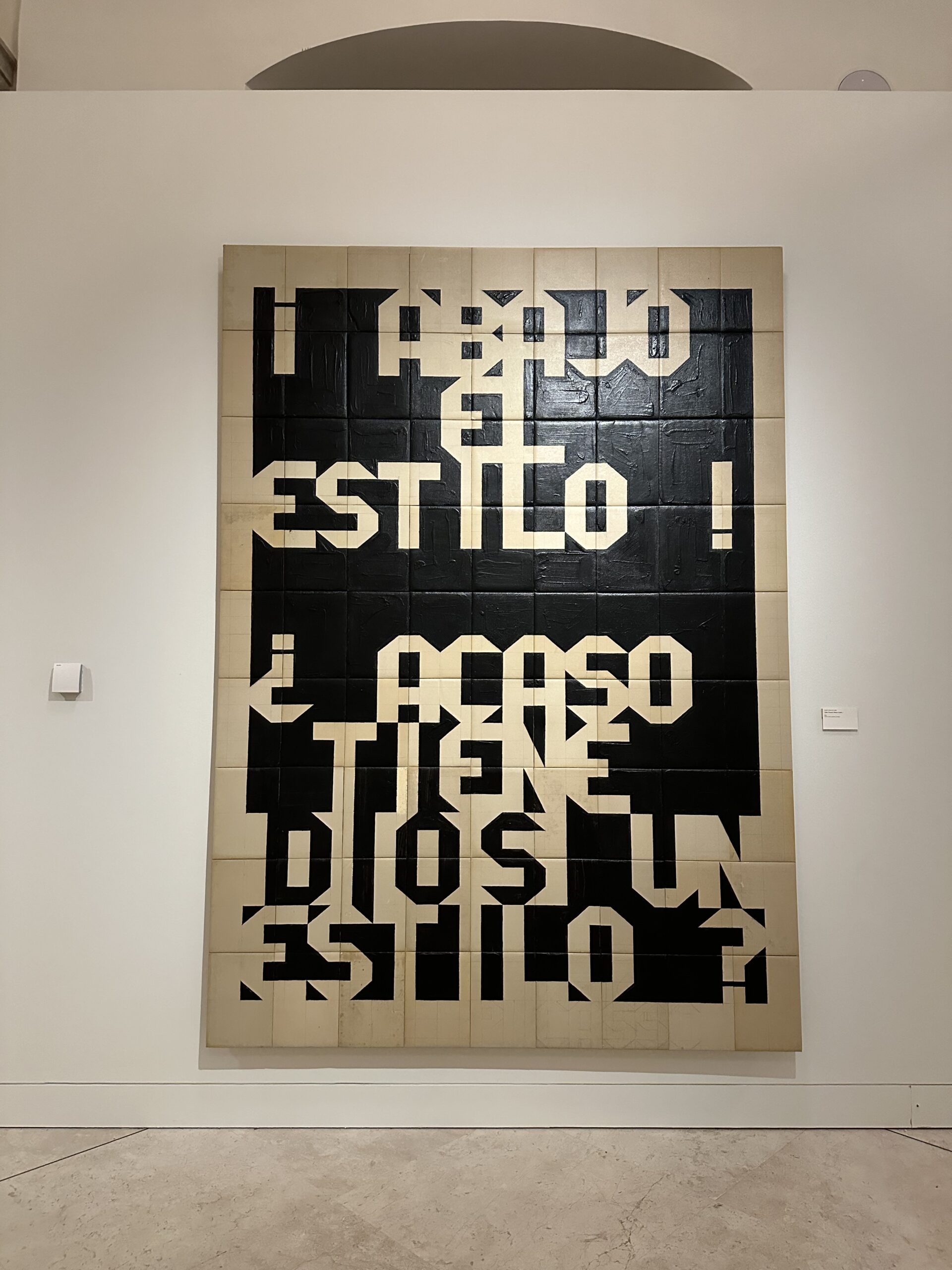
Artwork based on Picasso’s quote: “¡Abajo el estilo! ¿Acaso tiene Dios un estilo?” (Down with style! Does God even have a style?)
Style
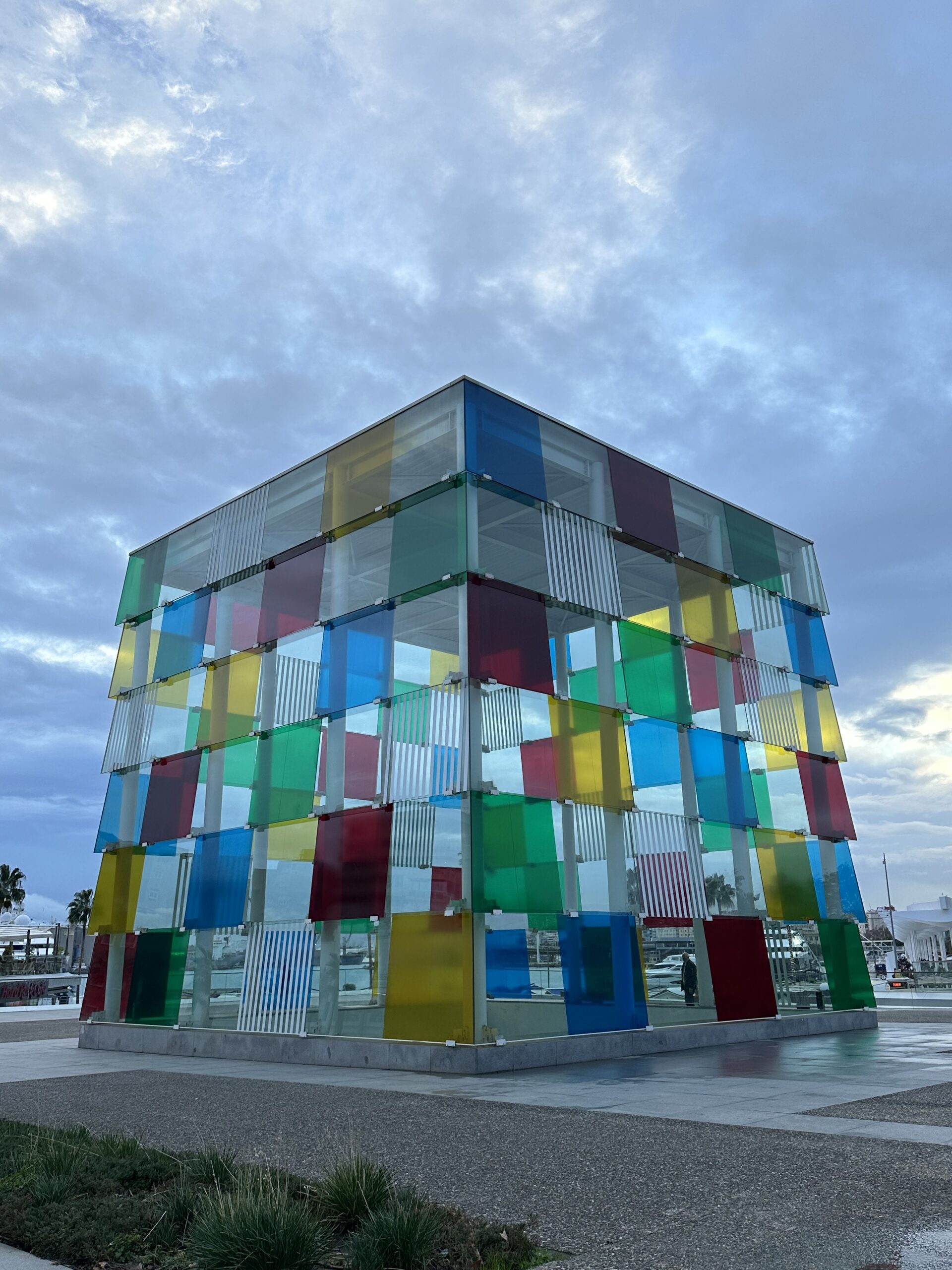
El Cubo displays modern art by artists like Picasso, Miró, Frida Kahlo, among others.
Cubic
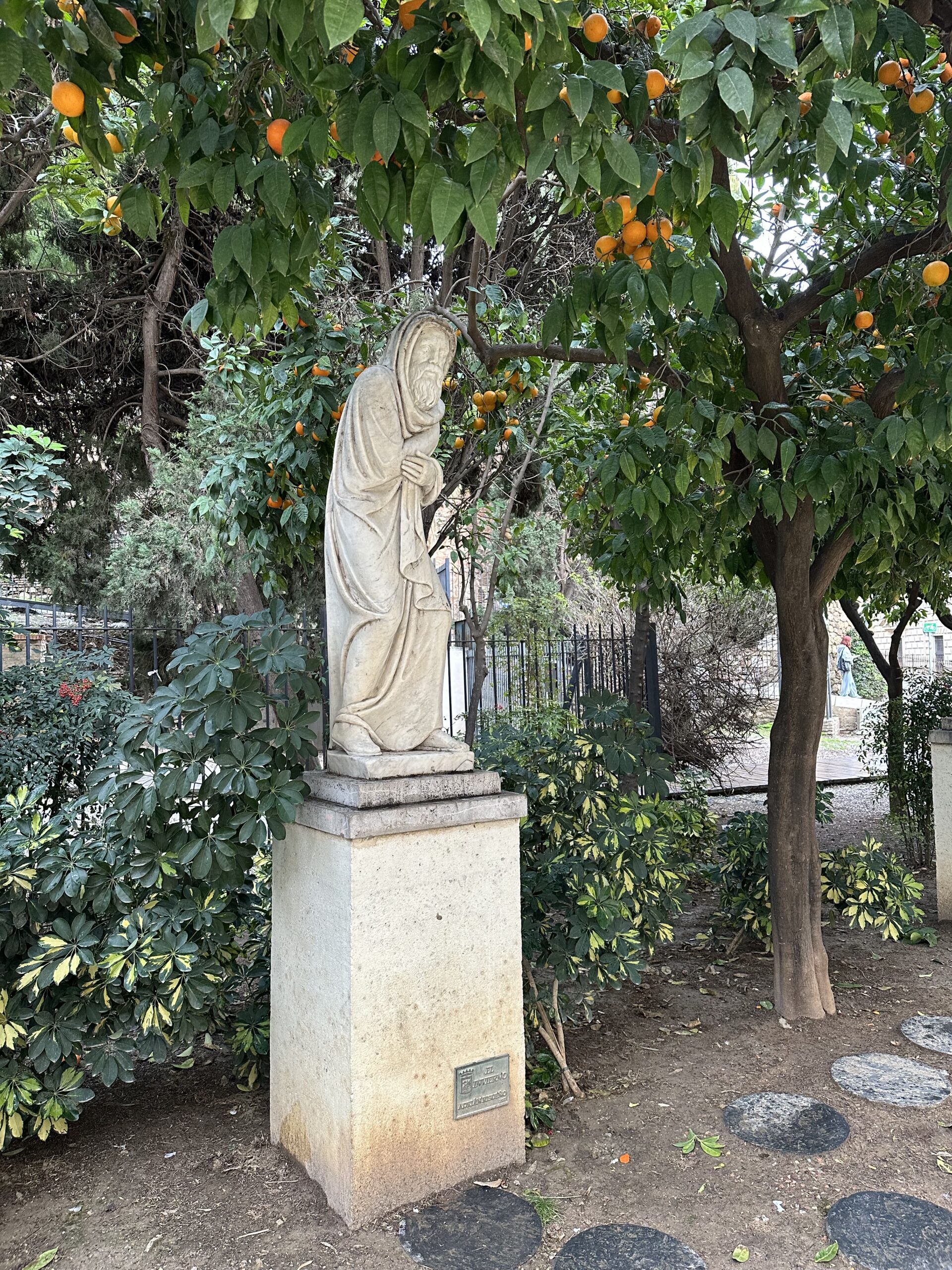
The orange trees (naranjos) were introduced during the Islamic period and now line streets and plazas, producing fruit that is bitter rather than sweet.
Bitter
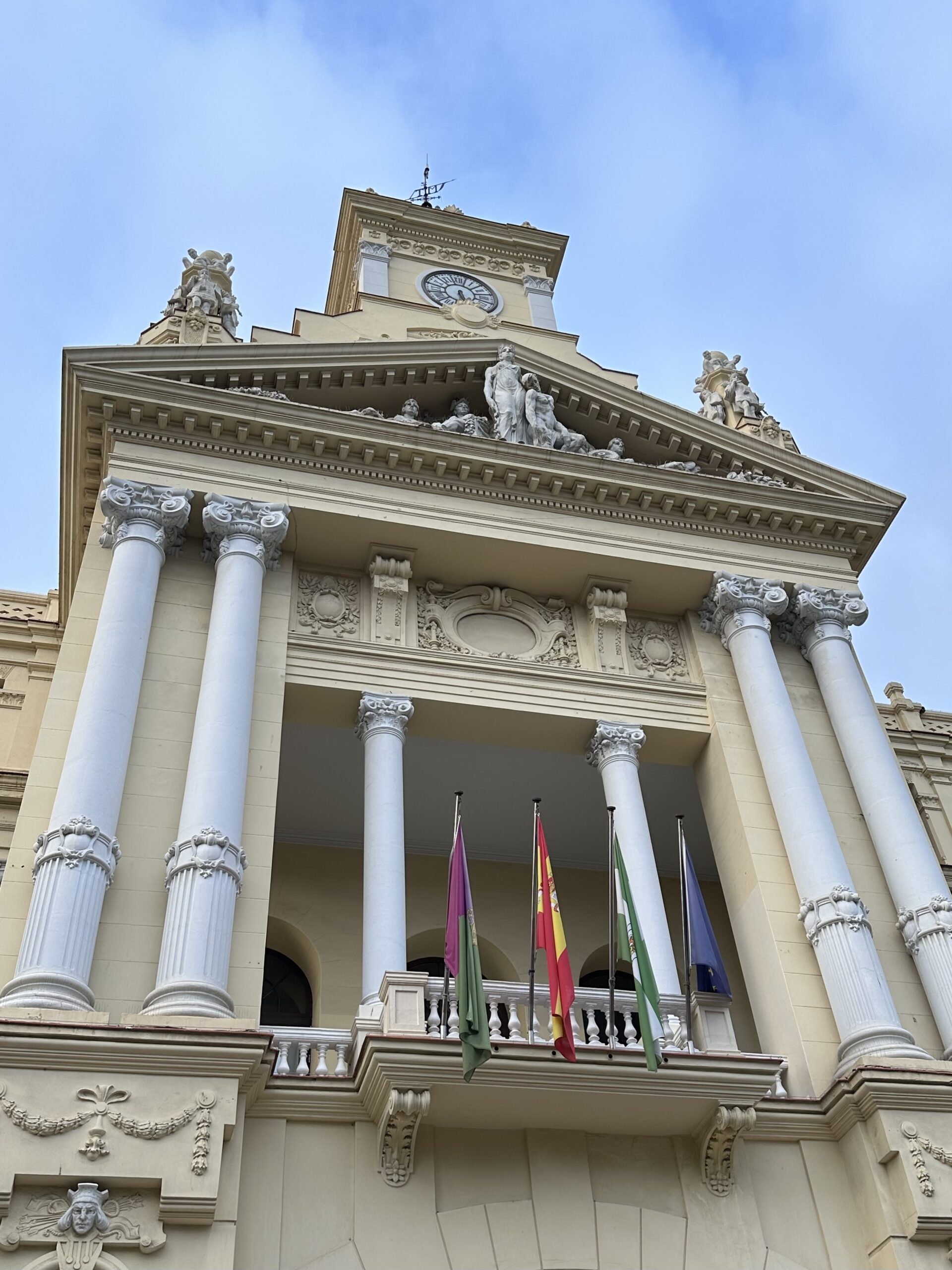
The city hall was designed by Guerrero Strachan, an Malaga-born architect known for designing several of its buildings.
Hall
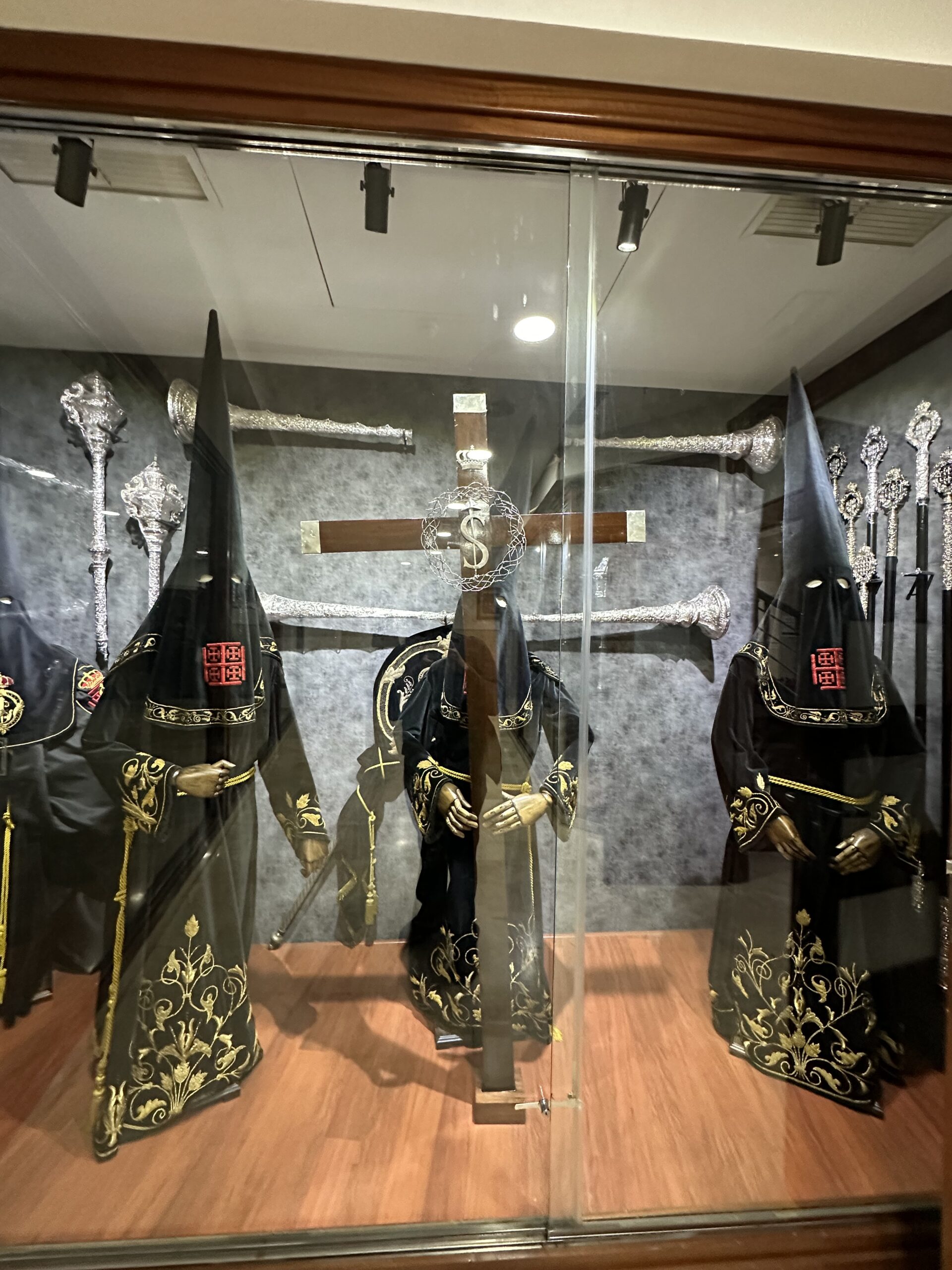
Nazarenos are members of a brotherhood which performs rites of repent during Holy Week in Spain.
Repent
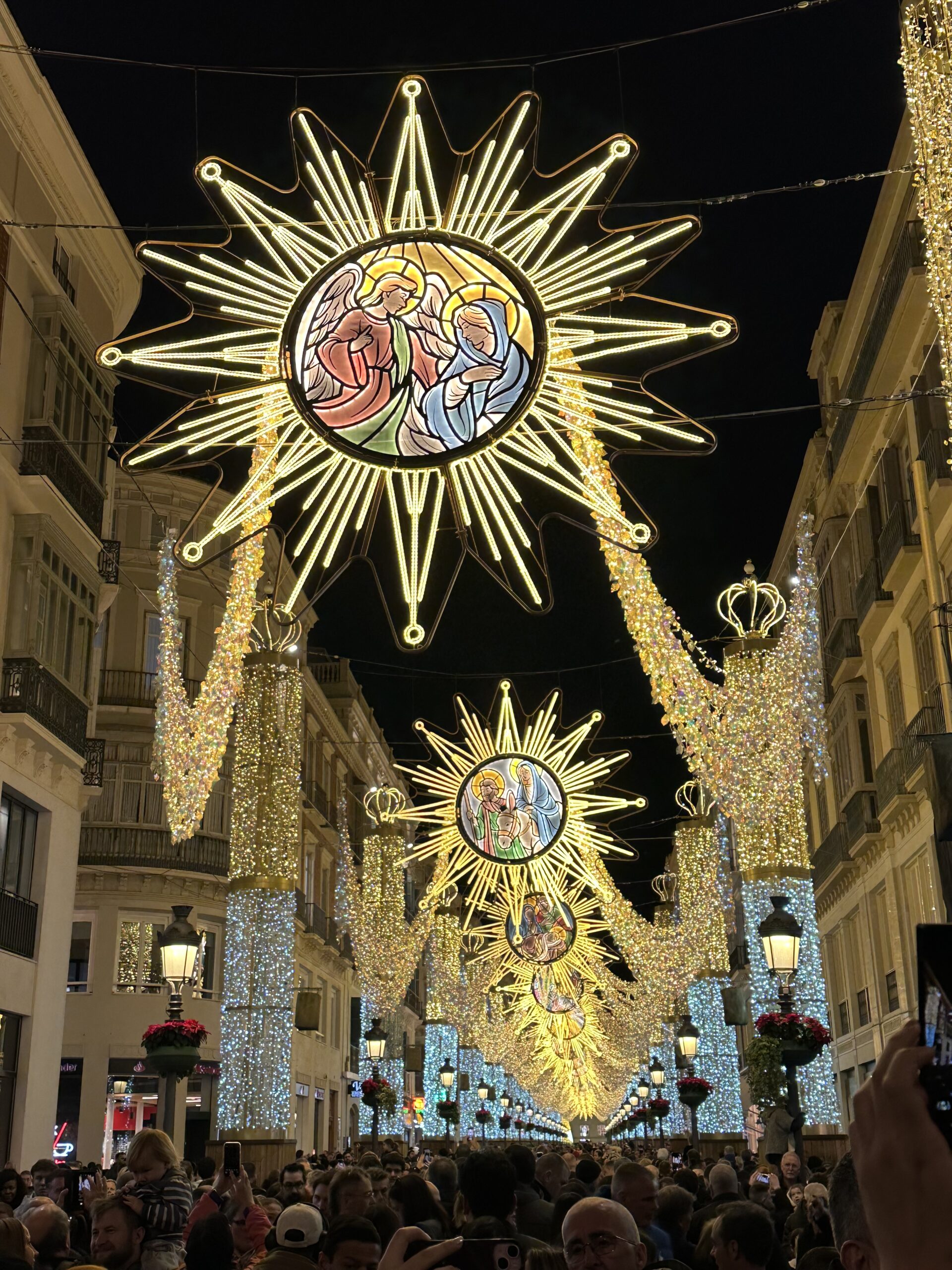
Known as the city’s prime shopping and cultural avenue, Malaga’s main pedestrian street, Calle Larios, is famous for its Christmas lights.
Lights
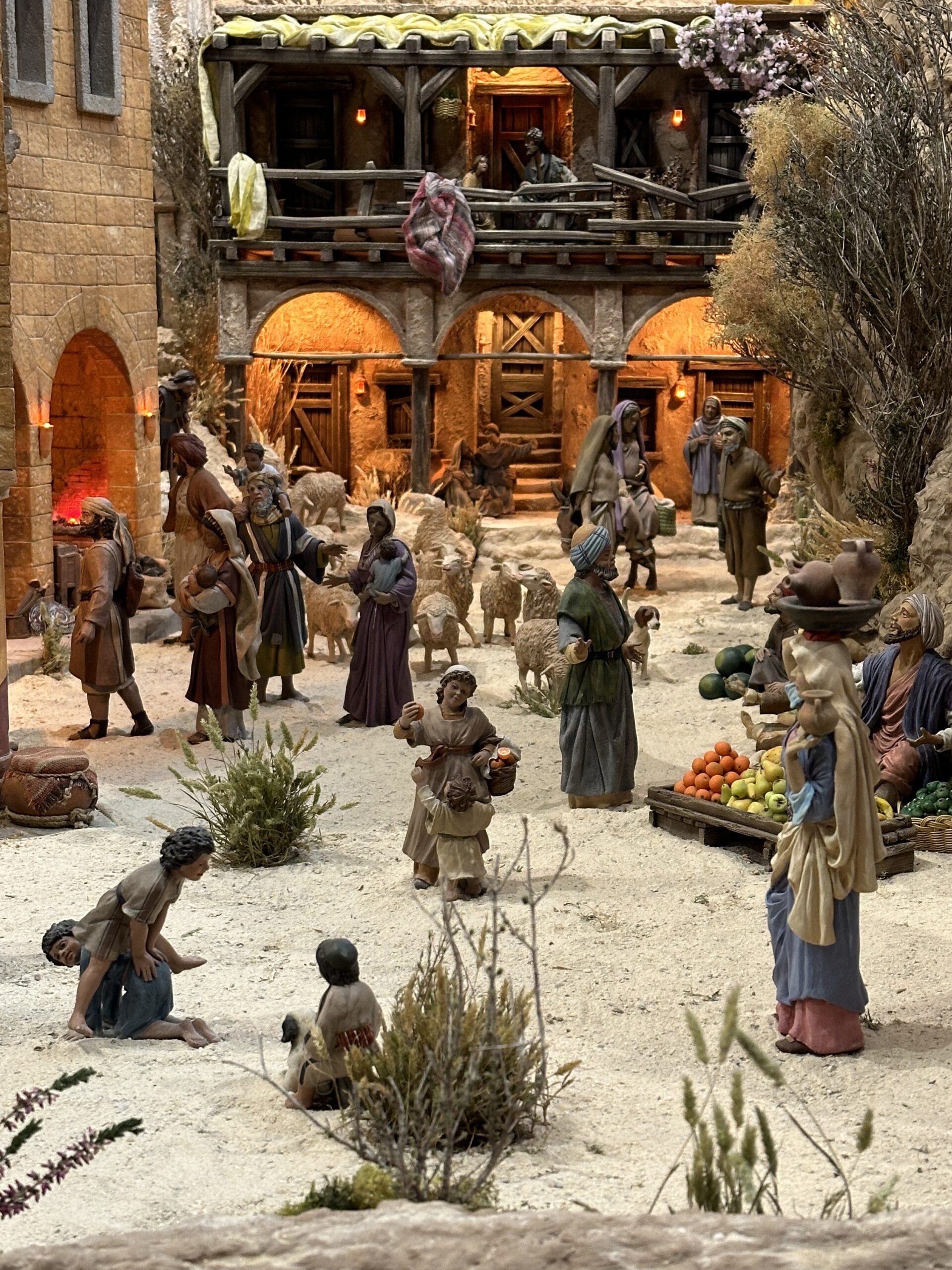
Belenes (nativity scenes) are very important and traditional elements of Christmas time in Andalusia. They can be found in churches, brotherhoods, and city halls.
Crib
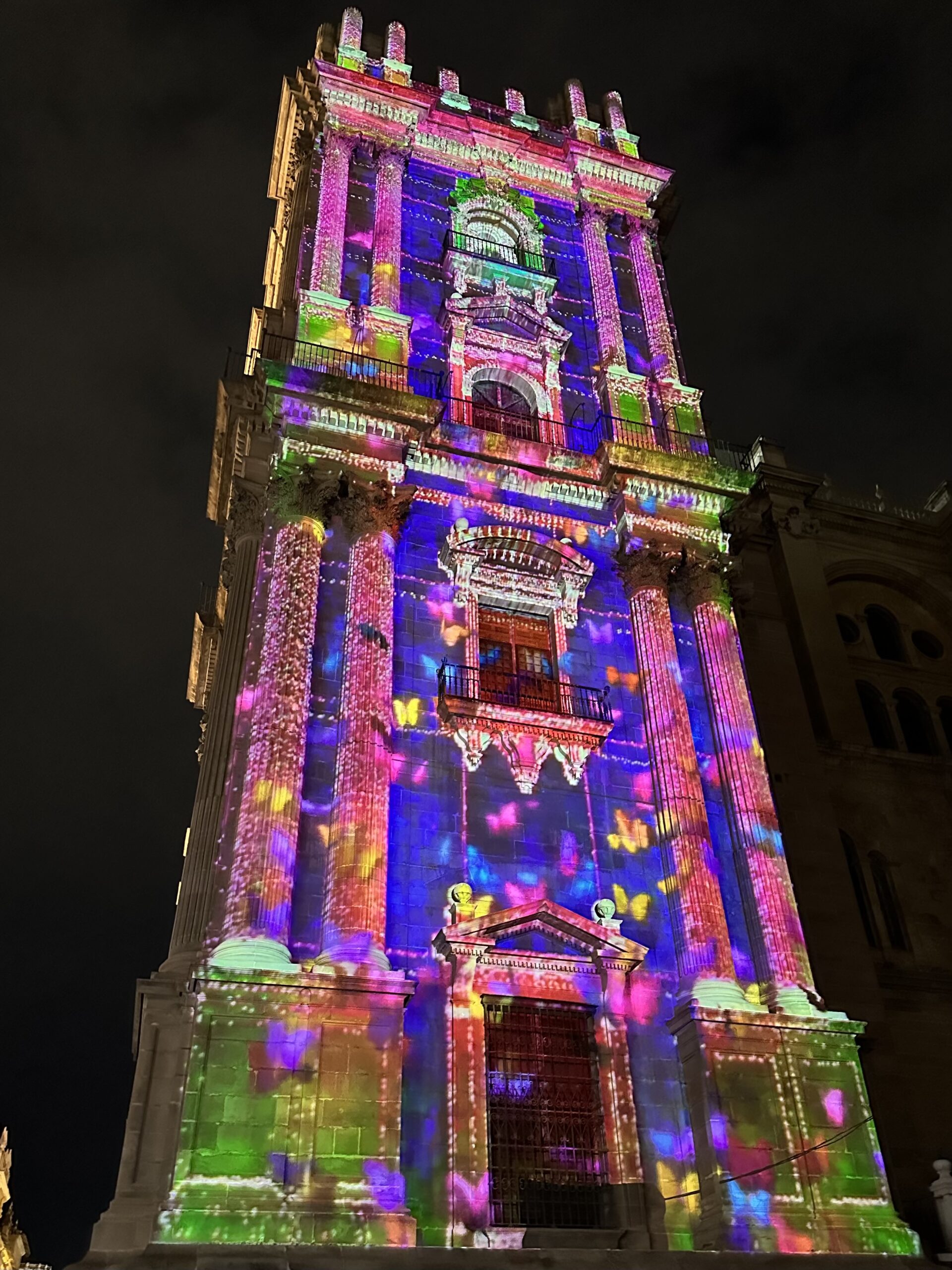
During the Christmas season, light shows are projected onto the cathedral’s side facade.